
 By
By 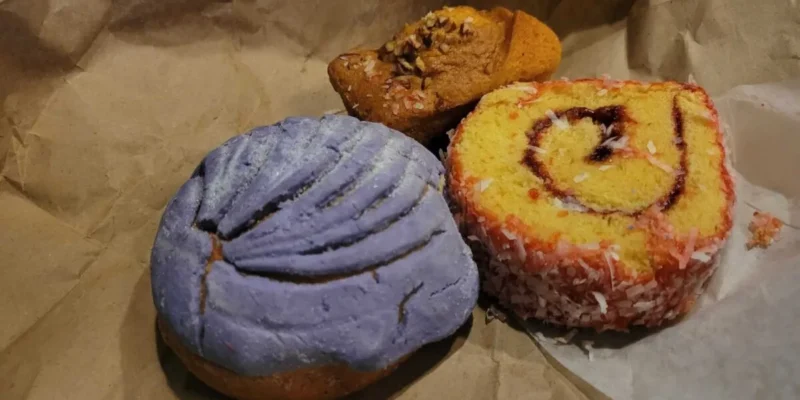
Trend-driven snack categories cannot sustain generational staying power over similar timeframes. It is hard to recreate the flavour complexity, cultural memory, and social eating contexts of traditional snacks from Mexico with industrial snacks without accessing the authentic ingredient combinations and preparation traditions that the originals developed over centuries of culinary refinement. Mexican savoury snacks maintain genuine cross-generational appeal because of their structural food culture qualities, regardless of how dramatically surrounding snack markets change.
Flavour complexity endures
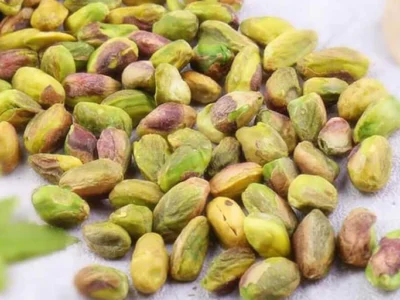
Mexican savoury snacks build flavour profiles through layered ingredient combinations that single-note commercial snack products cannot approach across equivalent sensory impact. Chilli heat, lime acidity, salt, and roasted depth combine simultaneously within individual items rather than delivering isolated flavour experiences that palate familiarity exhausts quickly across repeated consumption. Tajín-dusted jícama, chilli-lime pepitas, and roasted corn snacks each deliver this simultaneous multi-note flavour experience that keeps palate engagement active rather than allowing the flavour saturation that simpler snack profiles produce after initial consumption novelty diminishes. Flavour complexity sustains cross-generational appeal because different generations access different layers within the same flavour profile, depending on palate development. Children respond to salt and crunch, while adults appreciate heat and acidity within identical items.
Social eating traditions persist
Mexican savoury snacks developed within social eating contexts that reinforce their generational transmission through shared consumption occasions rather than individual snacking behaviour disconnected from communal food culture. Botanas served across family gatherings, celebrations, and neighbourhood social occasions create snack associations with positive collective memory that individual packaged snack consumption never generates at equivalent emotional depth. Generations who grew up consuming pepitas, tostadas, and elotes within family gathering contexts carry those snack associations forward into their own household and social hosting practices, perpetuating the same items across new generational contexts through cultural transmission that food memory anchors more durably than marketing campaigns maintain commercial snack category loyalty.
Ingredient availability supports
Traditional Mexican savoury snack ingredients maintain consistent availability across market contexts that support home preparation alongside commercial purchase, giving these snacks a domestic production dimension that manufactured snack categories structurally lack. Dried chillies, corn, pepitas, and lime remain accessible across Mexican grocery selections and increasingly through mainstream retail channels, allowing household preparation of traditional snack items across generations who develop personal recipe variations around authentic core ingredients. This domestic preparation capacity creates snack relationships where family-specific versions of traditional items develop alongside commercially available equivalents, producing the personalised food heritage dimension that manufactured snack products cannot generate, regardless of how closely they approximate authentic ingredient combinations within mass production parameters.
Four generational transmission pathways
Traditional snack knowledge moves across generations through distinct transmission mechanisms that each reinforce different aspects of cultural food continuity:
- Family recipe inheritance specific preparation methods, chilli combinations, and seasoning ratios passed from grandparents through parents into the next generation’s cooking practice, creating family-specific snack versions that carry personal heritage alongside cultural authenticity
- Street food encounters younger generations discovering traditional snack formats through street food vendors whose public visibility introduces items outside domestic cooking repertoires, expanding snack familiarity beyond household-transmitted varieties into the broader traditional snack category
- Celebration food association traditional snacks appear consistently across family celebrations, religious occasions, and community events, creating strong positive memory associations that younger generations carry forward into their own event hosting practices as adults
- Community bakery and market exposure, neighbourhood market, and panadería environments, where children accompany adults across regular purchasing visits, absorb snack familiarity through repeated exposure to traditional items displayed and consumed within those community food retail contexts
Despite the fact that these traditional Mexican savoury snacks have been passed down through generations, they have had a strong appeal that renews across every generation that encounters them, rather than becoming stale and irrelevant through familiarity or displaced by commercial alternative competition.








Comments