
 By
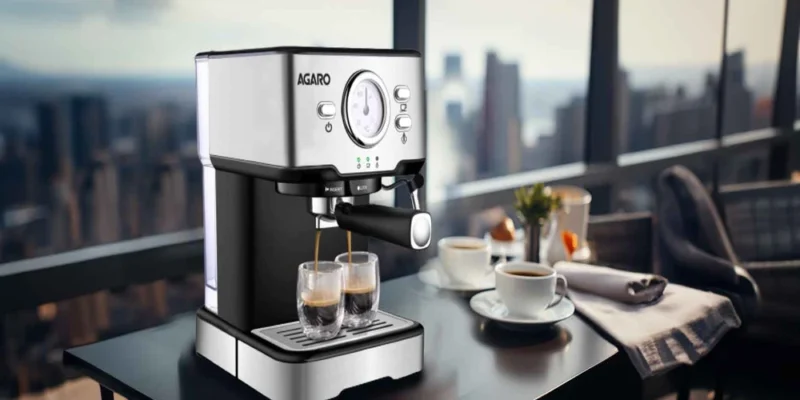
Product pages for office equipment tend to list every feature in the same confident tone, which makes it hard to tell what actually matters. A more reliable method is to look at a machine the way a technician would: component by component, asking what each part does and how it holds up under daily use. Assessing a coffee machine for office this way separates the features that affect taste, reliability and running cost from those that simply look good in a brochure or on a showroom counter.
The Grinder
In a bean-to-cup machine, the grinder decides much of the flavour. Ceramic or steel burr grinders produce a consistent particle size, which gives even extraction, while cheaper blade designs produce uneven grounds. Adjustable grind settings let the machine be tuned to different beans. Check whether the grinder is easy to clear if a foreign object gets in, and how loud it is, since a noisy grinder is unwelcome in an open-plan office.
The Brewing Unit
The brewing unit compresses ground coffee and forces hot water through it. Removable brewing units can be rinsed by staff, while fixed units rely on automatic cleaning cycles. Both approaches work, but the cleaning routine must match the people available to do it. Ask how often the unit should be serviced and what it costs to replace, because this part takes the most mechanical wear over the life of the machine. A unit that is cheap to buy but costly to replace can quietly raise long-term costs.
Heating System
Boilers keep a reserve of hot water and steam, suited to offices with frequent consecutive orders. Thermoblocks heat water on demand, waking up faster and using less energy on standby, but may lag when many drinks are made in a row. Dual heating systems separate coffee and steam for better milk drinks. Match the heating design to your peak pattern rather than choosing on wattage figures alone, which reveal little about real performance.
Milk System
For offices where lattes and flat whites are popular, the milk system matters as much as the coffee path. Look at froth quality, temperature control and whether the system draws from a refrigerated container. Automatic rinsing after each drink and simple disassembly for daily cleaning are essential in a warm climate. When comparing a commercial coffee machine against smaller office units, the milk handling is often where the difference in price and hygiene becomes clear.
Water Supply
Machines either draw from a refillable tank or connect directly to the mains. Tanks offer flexibility in placement but must be refilled regularly, and in busy offices this becomes a frequent interruption. Plumbed connections deliver continuous supply but need a nearby water point and sometimes drainage. Whichever is chosen, an integrated water filter reduces scale and improves taste, and the machine should warn users clearly when the filter needs changing.
Capacity of Hoppers and Containers
Bean hopper size, grounds container capacity and drip tray volume determine how often someone needs to attend to the machine. A small office can manage with compact containers, but a busy floor will find itself emptying grounds several times a day. Compare these capacities against your expected daily volume. Machines that warn before containers are full prevent messy overflows and avoid stopping halfway through a drink, leaving a half-filled cup and an irritated colleague.
User Interface and Drink Menu
A clear display with labelled drinks, adjustable strength and cup size, and saved preferences makes the machine accessible to everyone. Multilingual menus can help in diverse teams. Check how easy it is to change the drink menu, since preferences evolve over time. Some machines allow administrators to lock settings, preventing accidental changes that leave the next person with an unexpectedly bitter or weak cup.
Cleaning and Descaling Automation
Automatic rinse cycles on start-up and shutdown, guided cleaning programmes and descaling alerts reduce the risk of neglect. Machines that track usage can prompt cleaning based on the number of drinks rather than calendar dates, which suits offices whose volume rises and falls with project deadlines, holidays and hybrid working patterns. The fewer manual steps required, the more consistently the machine will be cared for, protecting both taste and the internal components from early wear.
Monitoring and Service Support
Some modern machines record usage and report faults or low supplies remotely, helping the supplier plan maintenance and deliveries. Even without connectivity, a clear error display helps staff explain problems to a technician quickly. Ask about warranty length, response times, availability of spare parts in Singapore and whether preventive servicing is included. These factors decide how long the machine stays in reliable use, and how quickly it recovers when something does go wrong.
Putting the Features in Order
Rank features by how they affect your office: grinder and brewing unit for taste, heating and capacity for peak demand, milk system and cleaning automation for hygiene, and service support for reliability. Treat extras such as decorative lighting as tie-breakers only. With that ranking in hand, compare shortlisted models side by side, and if your team works in the city, review guidance on choosing a coffee machine for office Singapore businesses rely on before committing.









Comments