
 By
By 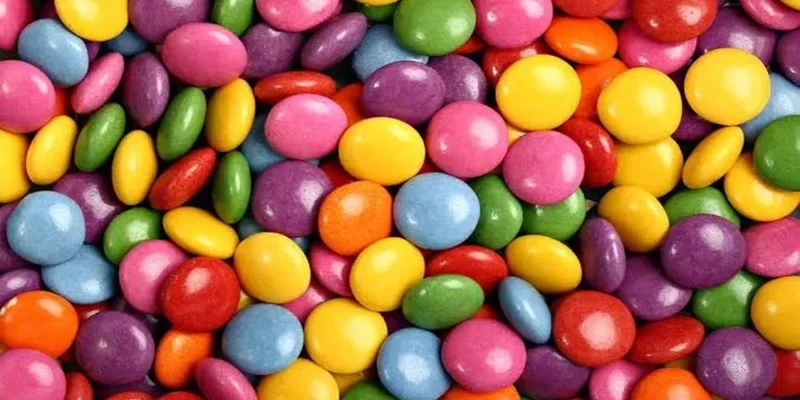
Picture a cinema lobby ten minutes before the show. There is a wall of gummies, a tower of hard sweets and a popcorn machine glowing in the corner. Each item holds color in its own way, and getting natural candy color to behave across all of them is a bigger puzzle than it looks.
The gummy shelf
Gummies are acidic, often below pH 4, and they sit in clear bags under bright shop lights. Anthocyanin reds and purples cope well with that acid, so berry shades are a natural fit. Yellows and blues need more checking before anyone commits to a recipe.
Add the color late in the cook, once the mass has cooled a little, since heat takes a toll on most plant pigments. Pour a few test pieces and leave one in a sunny window for a week. That window will tell you more than the bench ever does.
Over to the popcorn machine
Popcorn is a different animal. A popcorn color powder is usually blended into salt or seasoning, or mixed into the oil, to give that deep golden yellow people expect at the cinema. The color has to stay put while kernels bounce around a hot kettle.
Oil-soluble types such as annatto and carotenoid blends suit this setting, because popping oil runs hot and fatty. Fine powder also clings better to warm, freshly popped kernels, so the timing of the seasoning step matters nearly as much as the color you pick.
Hard candy and the heat problem
Hard candy is cooked at very high temperatures, often past 140 degrees Celsius. Few plant colors come through that without dulling or browning. Sources with strong heat tolerance, such as certain carotenoids and gardenia-based shades, are worth sampling first, and the color is usually stirred in at the last moment.
Panning is gentler. In a hard-panned sweet, the color goes into a syrup applied in thin layers, so exposure to heat is short. The challenge shifts to an even coat and a good shine, and that is mostly a matter of patient process control and a steady hand on the drum.
How the eye shops
Shoppers pick sweets by color before they read a flavor name. Orange suggests orange or mango, green suggests apple or lime. A faded orange that looks tan makes the flavor feel off, even when the recipe has not changed at all, and the taste panel found nothing wrong.
That matters most for mixed bags, where each color should stay distinct from its neighbors. Bleeding between pieces can turn a bright assortment muddy after a few weeks in storage, and nobody wants to open a bag like that, least of all a child on a Saturday matinee.
Movie lights and shelf life
Display lighting is rough on pigments. Candy kept near bright glass cabinets fades quicker than candy sitting in a closed carton. Stock that sells slowly gets the harshest treatment of all, since it stays under the lamps longest and warms up a little every afternoon.
A simple check helps. Expose test pieces to the same light for two or three weeks and compare them with a stored sample kept in the dark. Whatever fades first tells you where to adjust the dose, the form of the color or the pack itself.
Packaging and cleanup
Packaging can protect what the recipe cannot. Opaque or foil layers slow fading, and moisture barriers keep sugar coatings from turning sticky and dull. A well-chosen pouch can save a shade that would otherwise be lost within a month on the shelf, at very little extra cost per unit.
Cleanup needs a plan too. Strongly pigmented powders cling to kettles, drums and scoops, and a red trace in a white mint is easy to spot. Schedule light colors first, run wipe tests between products, and keep one set of tools for each color family so the mix-ups stay rare.
Conclusion
A cinema counter is a fair test of color work, with acid in the gummies, heat in the hard candy and oil in the popcorn. Each needs its own approach, and no single pigment does it all. Planning around the product beats planning around the shade.
To start sampling options for sweets and snacks, browse the range at foodrgb.com and request a few trial quantities. Test them under your own heat, light and packaging before you commit to a full production run.










Comments