
 By
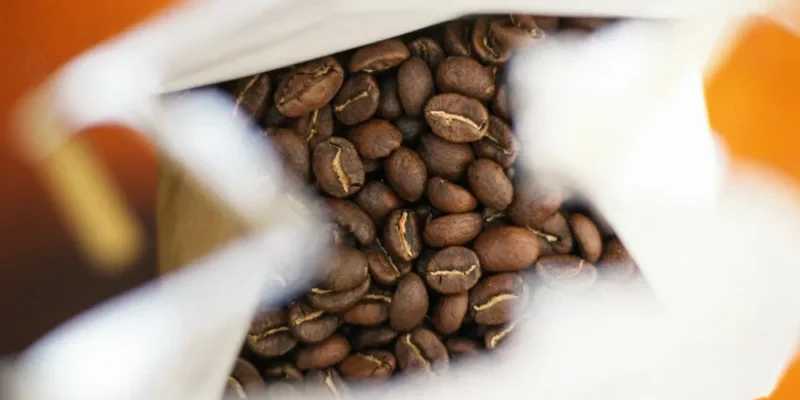
Coffee menus have become more varied, but variety can easily turn into clutter. Customers now encounter iced drinks, alternative milks, flavoured coffee, decaf and custom strength options alongside the familiar espresso, americano, cappuccino and latte.
For a bean to cup machine, the challenge in 2027 is not how many buttons can fit on the screen. It is how to offer meaningful choice while keeping service fast and recipes consistent. The menu should also make good use of the coffee beans at the centre of the drink rather than hiding them beneath endless customisation.
Protect the core menu first
A modern menu still needs familiar anchors. Espresso, americano, cappuccino, latte and flat white cover a large share of everyday coffee occasions.
Make sure these drinks are well calibrated before adding novelty. A seasonal special cannot compensate for a weak everyday latte.
Offer personalisation that changes the experience
Strength, cup size and milk choice are useful because they materially affect the drink. Too many minor options can slow users without adding much value.
Use clear defaults so someone can press one button and receive a good drink. Personalisation should be optional rather than compulsory.
Make decaf visible
Decaf should not feel hidden. Later-day coffee occasions, wellness preferences and customers managing caffeine all create legitimate demand.
Where equipment supports a second hopper or alternative preparation method, present decaf clearly on the menu. If the process is different from the main drinks, train staff so the option remains reliable.
Plan alternative milk around actual use
Oat, almond and other alternatives are now familiar to many customers, but every additional carton creates storage and waste considerations.
Choose the options that fit the audience, review sales regularly and remove varieties that are rarely used. A smaller reliable range is better than a large selection of open cartons.
Keep one iced route open all year
Cold coffee has become a year-round choice for some consumers, so menus designed for the next several years should not automatically assume winter means hot drinks only.
One iced latte or iced flavoured coffee can be enough to serve that demand. The important point is to standardise the ice, milk and coffee quantities so the cold recipe is as consistent as the hot menu.
Use seasonal flavours as modules
Instead of rebuilding the whole screen every season, treat flavours as optional modules. A standard latte can become gingerbread in winter, caramel for an event or vanilla all year.
This keeps staff training simple and allows the business to test trends without disrupting the core coffee programme.
Think about lower-sugar choices
As more consumers pay attention to sugar, it is useful to offer drinks that are enjoyable without automatic flavouring or excessive sweetness. The standard coffee menu already provides many such choices.
Where syrups are offered, consider sugar-free versions if there is genuine demand and label them clearly. Avoid turning every seasonal drink into an oversized dessert by default.
Design the screen for speed
A touchscreen can technically hold dozens of recipes, but the most frequently selected drinks should be visible immediately. Use categories only where they help navigation.
For self-service environments, the first screen should answer the question most users have: what drink do I want? Advanced adjustments can sit one level deeper.
Review the menu every quarter
A menu should evolve using evidence. Machine counters, ingredient orders and customer feedback can show which drinks are genuinely popular.
Remove options that create complexity without meaningful demand. Add new recipes as controlled tests rather than permanent commitments from day one.
Practical 2027 menu checklist
- Perfect the core espresso and milk drinks first
- Offer useful strength and size control
- Make decaf visible where available
- Limit alternative milks to proven demand
- Keep at least one cold-coffee route where appropriate
- Use seasonal flavours as add-ons to core recipes
- Include lower-sugar choices
- Design the first screen around popular drinks
- Review menu performance quarterly
Final thoughts
The modern coffee menu is not defined by maximum choice. It is defined by relevant choice delivered consistently.
A strong core range, a few personalisation options and controlled seasonal experimentation can make an automatic coffee offer feel current without making it confusing to use or expensive to operate.
Frequently asked questions
How many drinks should a bean-to-cup menu include?
There is no ideal number. Include the core drinks your audience expects, then add options only where there is clear demand and the machine can deliver them consistently.
Should iced coffee stay on the menu in winter?
If customers continue ordering it, yes. Menu decisions should follow behaviour rather than the calendar alone.
How often should a coffee menu be reviewed?
A quarterly review is a practical rhythm for checking usage, waste and customer feedback without changing recipes too frequently.





Comments