
 By
By 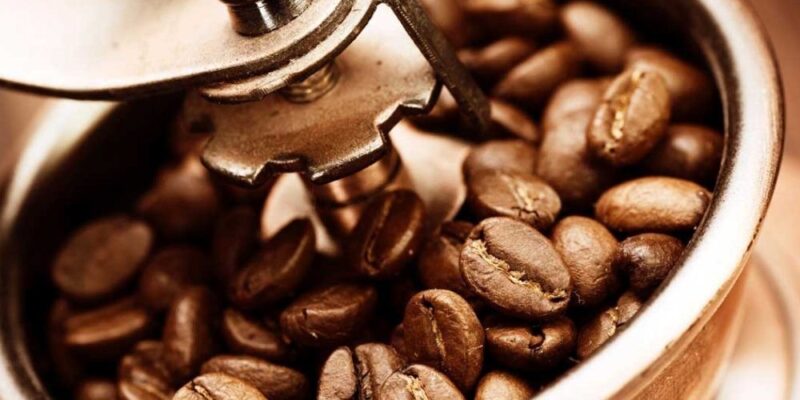
Serving good espresso coffee in a busy café is not just about having strong ingredients. It is about building a setup that can deliver quality consistently under pressure. The morning rush, lunchtime orders and takeaway demand all place real strain on coffee service. In that environment, the businesses that perform best are not always the ones with the most elaborate setup. They are often the ones that get the basics right.
Those basics start with suitable coffee beans, but they also include grind consistency, menu discipline and a workflow that supports fast, repeatable drinks. If a café also offers flavour variations with coffee syrups, takeaway service in disposable coffee cups, or a decaf option through decaf coffee beans, the need for clarity becomes even more important.
The base espresso needs to be reliable
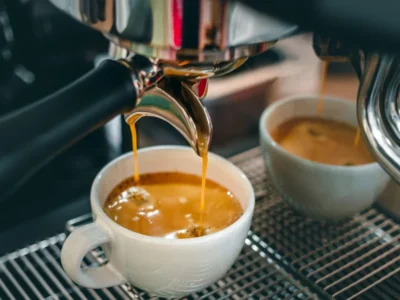
In a busy café, there is not much room for guesswork. The core espresso coffee has to taste right and behave predictably throughout service. If the base coffee shifts too much, every drink built from it becomes harder to manage.
This is why choosing the right coffee beans matters so much. The beans need to suit the style of drinks the café serves most often. If milk-based drinks dominate the menu, the espresso should have enough body and presence to carry through well. If the café serves a lot of straight espresso, the flavour balance becomes even more important.
The goal is not to chase novelty during peak service. It is to build an espresso profile that staff can trust.
Grind control supports consistency
Even strong coffee beans can underperform if the grind is not right. In busy cafés, grind consistency is one of the most practical factors behind good espresso coffee. It affects flavour, extraction time and the ability to keep drinks tasting stable across a shift.
That is why workflow and coffee quality are closely connected. Café teams need a process that supports consistency without slowing the queue. This may mean regular checks, a sensible grind routine and staff training that focuses on repeatable standards rather than unnecessary complication.
When grind consistency is ignored, the café often ends up compensating elsewhere, and the results usually show in the cup.
Menu design affects espresso performance
The way a café designs its menu also influences how well espresso coffee performs under pressure. Too many drink variations can slow staff down and increase the risk of inconsistency. A tighter menu usually supports better quality because it allows the team to focus on doing the core drinks well.
This does not mean cafés should avoid variety altogether. Selective use of coffee syrups can help widen the menu and introduce seasonal options. The key is to use them in a way that fits the workflow. If flavour additions complicate every order or start overshadowing the base coffee, the menu is doing too much.
A busy café tends to work best when the espresso remains central and the extras stay well controlled.
Takeaway service changes the demands
A large share of café traffic is now takeaway, which means espresso coffee has to perform not just at the machine but also in transit. This makes practical details such as disposable coffee cups more important than they might first appear.
Takeaway drinks need to travel well, hold their structure and still feel satisfying after leaving the counter. A strong espresso base helps with that, especially in milk-based drinks. The packaging then needs to support the service rather than introduce new issues.
This is another reason why café workflow should be viewed as a whole system rather than as separate decisions around coffee, cups and service.
Decaf deserves the same operational thought
Busy cafés sometimes treat decaf as a side issue, but a poor decaf setup can still create friction during service. If customers want decaf, the café needs a way to serve it without slowing everything down or lowering the standard too sharply.
That is where decaf coffee beans come in. A good decaf option makes the menu feel more complete and helps the café serve a broader mix of orders with more confidence. As with standard espresso coffee, the decaf setup should feel deliberate rather than improvised.
Smooth workflow protects coffee quality
One of the biggest lessons in café operations is that workflow protects quality. Even excellent coffee beans can be undermined by a setup that creates confusion, hesitation or inconsistency. A well-organised bar, a clear drinks menu and a repeatable espresso process all help the coffee stay strong during busy periods.
This is why cafés that serve good espresso coffee consistently are often those that keep things simple enough to execute well. They know where flavour matters most, where speed matters most and how to stop the two from working against each other.
Strong café espresso starts with simple disciplines
For busy cafés, the foundation of good espresso coffee is not mystery or complexity. It is a series of sensible choices made well. The right coffee beans, dependable grind control, manageable menu design, useful coffee syrups, practical disposable coffee cups and a workable place for decaf coffee beans all contribute to a smoother service model.
When those basics are in place, quality becomes easier to maintain even during peak demand. For cafés looking to strengthen that kind of coffee operation, Discount Coffee is one option worth exploring.
FAQs
1. What matters most for espresso coffee in busy cafés?
Reliable espresso coffee depends on suitable coffee beans, consistent grind control and a workflow that supports repeatable drinks.
2. Should cafés use coffee syrups on busy menus?
Yes, but selectively. Coffee syrups can add variety without harming service when they are kept manageable.
3. Do disposable coffee cups affect espresso-based takeaway drinks?
Yes. Disposable coffee cups help shape how takeaway drinks travel and how complete the final experience feels.





Comments