
 By
By 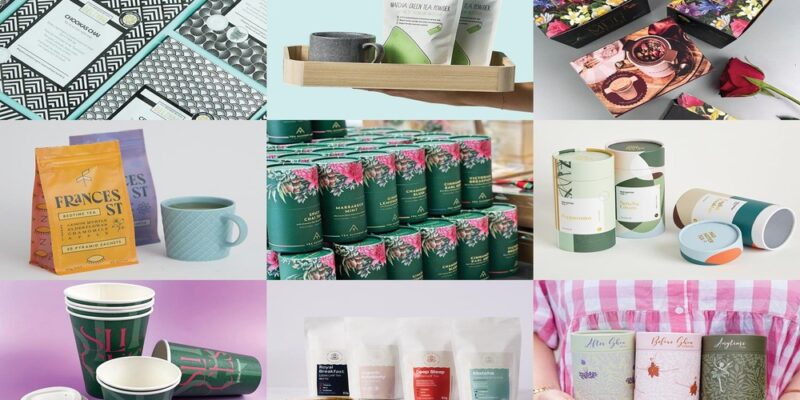
If you are serious about your product, your packaging decisions carry real weight. I look at tea packaging through a simple lens. It must protect the product, present it well, and support how you plan to sell and scale. If one of those fails, your growth slows.
I often point people to strong references early, and a good place to start is reviewing options like tea bag packaging to understand how formats, materials, and finishes come together in real products.
In this guide, I will walk you through how to think about tea packaging, what to prioritise, and how to choose a supplier that can support you long term.
Why Packaging Matters More Than You Think
Tea is sensitive. Air, light, and moisture affect aroma and taste fast. If your packaging does not control these factors, your product quality drops before it reaches the customer.
You also need to think about shelf presence. Whether you sell online or in retail, your packaging is often the first impression. If it looks weak or generic, your product feels less valuable.
From my view, good packaging does three things:
- Protects freshness from production to use
- Communicates quality at a glance
- Fits your workflow and growth stage
If any of these are missing, you will feel it in your sales or reviews.
Choosing the Right Format for Your Tea
You need to match your packaging format to your product type and how customers use it.
Here are the main options I recommend evaluating:
Stand-up pouches
- Ideal for loose leaf tea
- Strong barrier against air and moisture
- Easy to store and display
- Works well with zip closures
Flat pouches
- Best for tea bags or small packs
- Slim and easy to ship
- Good for sample packs or subscriptions
Cylinders and tins
- Premium look and feel
- Great for gifting or high-end blends
- Strong protection and durability
Sachets
- Used for single-serve tea bags
- Clean and simple format
- Easy for large-scale distribution
I suggest you decide based on your price point and target customer. Premium blends deserve packaging that reflects that. Entry-level products should still protect quality but stay cost efficient.
Materials That Keep Tea Fresh
Material choice is not something you guess. It directly affects shelf life.
You want materials that block:
- Oxygen
- Moisture
- Light
Foil-lined pouches are a strong choice for many brands. They hold aroma well and extend shelf life. If you are focused on sustainability, you can look at compostable or recyclable materials, but you need to confirm they still meet your freshness needs.
I always tell people to request samples. You should test how the packaging feels, seals, and stores your product before committing.
Packaging That Supports Your Workflow
Your packaging should match how you pack and ship your tea.
Ask yourself:
- Do you pack by hand or use machines
- Do you ship direct to customers or to retailers
- Do you need small batches or bulk runs
If you are early stage, low minimum order quantities matter. You want flexibility to test blends without large commitments.
As you grow, you will need consistency and fast reordering. Delays in packaging can stop your entire operation.
This is where choosing the right supplier becomes critical.
Why The Packaging People Stand Out
I look at suppliers based on range, flexibility, and guidance. The Packaging People meet all three.
They offer packaging that covers loose leaf, tea bags, and sachets across multiple formats. That means you can keep one supplier as your product line grows.
They also support both stock and custom packaging. This matters if you want to start simple and move into fully branded designs later.
Key strengths worth noting:
- Low minimum order quantities that help you test products
- Fast turnaround for stock packaging
- Custom printing options across bags, pouches, tins, and boxes
- Eco-friendly materials including compostable and recyclable options
- Guidance on sizing, materials, and production timelines
They have worked with a large number of tea brands. That experience shows in how they structure their options. You are not guessing. You are choosing from solutions that already work.
Balancing Cost, Branding, and Growth
You do not need perfect packaging on day one. You need packaging that fits your current stage and allows you to improve over time.
I usually suggest this approach:
- Start with stock packaging and custom labels
- Focus on freshness and usability first
- Upgrade to custom printed packaging once sales are consistent
This keeps your costs controlled while still building a strong brand presence.
The Packaging People make this transition easier because they offer both entry-level and fully custom solutions. You can scale without changing suppliers or reworking your entire packaging system.
Final Thoughts on Choosing Packaging for Tea
You should treat packaging as part of your product, not an afterthought. It affects how your tea tastes, how it looks, and how customers perceive your brand.
If you stay focused on protection, presentation, and scalability, your decisions become clear.
Choose formats that match your product. Choose materials that preserve freshness. Choose a supplier that supports where you are now and where you want to go.
That is how you build a tea brand that holds up over time.



Comments