
 By
By 
Cabernet Sauvignon has long been the quiet powerhouse of dinner tables, equally at home beside a casual steak frites or a meticulously plated tasting menu. Yet choosing the right bottle for food pairing is less about memorizing rules and more about understanding how this grape behaves in the glass. From tannins to terroir, the difference between a good match and an exceptional one often lies in subtle details that many wine drinkers overlook.
Understanding cabernet sauvignon beyond the label
Cabernet Sauvignon is celebrated for structure. Thick skins give it firm tannins, while its natural acidity keeps it vibrant with food. Classic aromas lean toward blackcurrant, blackberry, cedar, tobacco, and sometimes green pepper. These elements make it naturally suited to protein-rich dishes, but not every Cabernet behaves the same way. Climate, aging, and winemaking choices all influence how well it will sit next to a plate of food. The first step is identifying the style. A powerful, oak-heavy Cabernet can overwhelm delicate dishes, while a leaner, fresher expression may struggle with bold flavors. Choosing wisely means thinking about balance rather than prestige.
Matching cabernet sauvignon with food, the smart way
When pairing Cabernet Sauvignon, structure matters more than flavor notes. Tannins soften in the presence of fat, which is why red meat remains its most famous partner. But the grape’s versatility extends far beyond steak. In this context, collectors and curious drinkers often seek out outstanding Cabernet Sauvignon bottles that show restraint as much as power, allowing the wine to elevate the meal rather than dominate it. These are the bottles that shine not just on their own, but at the table.
Red meat and rich proteins
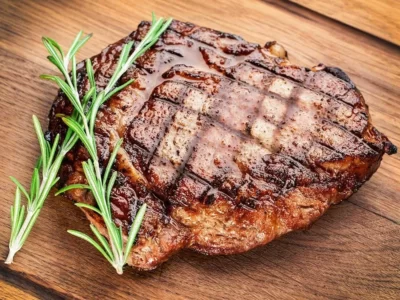
Classic pairings endure for a reason. Grilled ribeye, lamb chops, or beef short ribs all tame Cabernet’s tannins while echoing its depth. Wines from Napa Valley or Australia’s Coonawarra, often richer and riper, excel here. Look for bottles with a few years of age, as softened tannins create a smoother interaction with richly marbled meats.
Game, mushrooms, and umami-driven dishes
Cabernet Sauvignon also thrives with earthy flavors. Dishes featuring wild mushrooms, truffle sauces, or game meats like venison and duck bring out the wine’s savory side. Bordeaux-style Cabernets, typically more restrained and mineral-driven, are particularly effective. Their moderate alcohol and herbal notes complement umami without overpowering it.
Surprising matches with cheese
While many assume Cabernet clashes with cheese, the right choices can be memorable. Aged hard cheeses such as Comté, aged cheddar, or Parmigiano-Reggiano match the wine’s intensity and salt content. Avoid fresh or bloomy cheeses, which tend to accentuate bitterness.
Climate and origin, why they matter at the table
Where Cabernet Sauvignon is grown often determines how flexible it will be with food. Warm-climate regions produce wines with riper fruit, higher alcohol, and softer acidity. These pair best with hearty, boldly seasoned dishes. Cooler-climate Cabernets, on the other hand, bring brighter acidity, firmer tannins, and herbal nuances that work beautifully with lean meats and vegetable-forward plates. French Bordeaux, Chile’s Maipo Valley, and parts of Washington State offer elegant styles that shine with roasted poultry, lentil-based dishes, or herb-crusted pork. Understanding origin allows you to anticipate how the wine will behave alongside food.
Oak, age, and alcohol, details that change everything
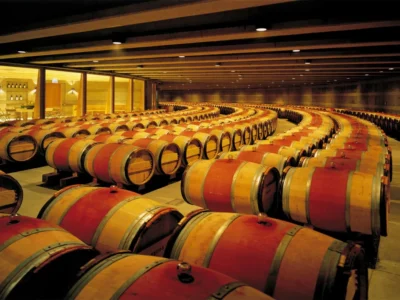
Oak aging adds vanilla, smoke, and spice, which can either enhance or complicate a pairing. Heavily oaked Cabernets pair best with grilled or charred foods that mirror those smoky notes. Lighter oak treatments allow the wine’s fruit and acidity to stay front and center, increasing versatility. Age is another key factor. Young Cabernets demand rich, fatty foods to soften their grip. With time, tannins mellow and secondary flavors emerge, opening the door to more nuanced pairings like roasted vegetables, mushroom risotto, or even tomato-based dishes with restrained acidity. Alcohol level should not be ignored. High-alcohol wines can amplify spice and heat, making them less suitable for spicy cuisine. Lower-alcohol Cabernets feel more balanced and food-friendly across a wider range of dishes.
Common pairing mistakes to avoid
One of the most frequent errors is pairing Cabernet Sauvignon with overly spicy food, which exaggerates alcohol and tannin. Another is serving it too warm, muting freshness and making the wine feel heavy. Slightly cooler serving temperatures enhance structure and improve food compatibility. Equally important is avoiding overly sweet sauces. Sweetness can make a dry Cabernet taste harsh and unbalanced. Opt for savory, herbal, or umami-driven preparations instead.
A thoughtful finish to the meal
Choosing a Cabernet Sauvignon for food pairing is ultimately about harmony. The best matches feel effortless, as though the wine and dish were designed together. By paying attention to structure, origin, and preparation rather than reputation alone, Cabernet Sauvignon becomes not just a powerful red, but a versatile companion at the table. The reward is a dining experience where every bite and sip feels intentional, balanced, and quietly unforgettable.





Comments