
 By
By 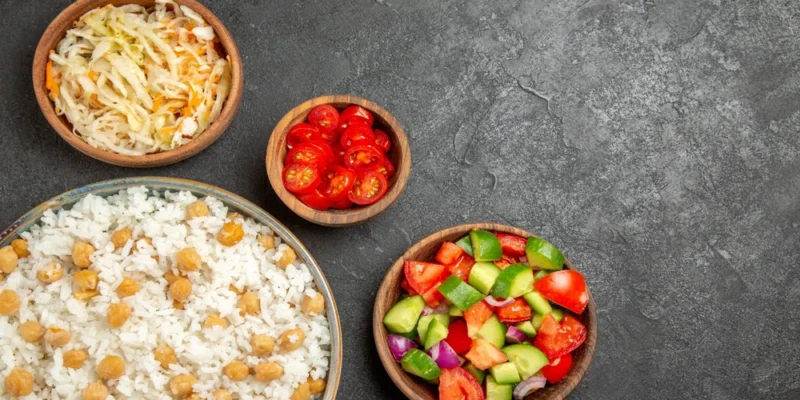
A balanced mini buffet combines different food groups, flavours, textures and cooking methods rather than relying heavily on one type of dish. This can provide guests with a wider range of choices while creating a menu that works as a complete meal.
That said, when planning halal mini buffet catering in Singapore, it is also important to ensure that the food meets appropriate halal requirements. Beyond halal status, organisers can consider how proteins, vegetables, staple foods and lighter dishes complement one another.
What Makes a Halal Mini Buffet Menu Balanced?
A balanced buffet generally offers variety across the main components of a meal. Rather than selecting several similar dishes, the menu can combine foods with different nutritional roles and preparation methods.
A practical combination may include:
- A protein-based main dish, such as chicken, fish, beef or a plant-based alternative
- A vegetable dish or salad
- A carbohydrate source, such as rice or noodles
- A lighter side dish or soup
- Fruit or a modest dessert option
Cooking methods can also be varied. For example, pairing a fried dish with steamed, stir-fried or lightly cooked options prevents the entire menu from consisting of similarly prepared foods.
Overall, balance begins with variety across food groups and cooking styles. The next step is considering how the main components work together.
Which Protein, Vegetable and Staple Combinations Work Well Together?
Protein, vegetables and staple foods usually form the foundation of a buffet meal. Choosing complementary dishes can provide variety without making the menu unnecessarily large.
Examples of combinations include:
| Protein | Vegetable | Staple |
| Grilled or roasted chicken | Stir-fried mixed vegetables | Rice |
| Fish with a light sauce | Leafy vegetables | Rice or noodles |
| Beef dish | Mixed vegetables | Rice |
| Tofu or another plant-based protein | Vegetable stir-fry | Noodles |
Sauces should also be considered. If a main dish already contains a rich or strongly flavoured sauce, a simpler vegetable side and plain or mildly seasoned staple can provide contrast.
Combining a protein, vegetable and staple therefore creates a clear foundation. From there, organisers can consider the overall richness of the menu.
How Can You Balance Rich and Lighter Dishes in a Halal Mini Buffet?
A buffet containing several fried, creamy or heavily sauced dishes may offer limited contrast. Lighter dishes can provide additional choices for guests who prefer simpler foods.
Useful combinations may include:
- Fried chicken with steamed or stir-fried vegetables
- Rich meat dishes with a simple vegetable side
- Creamy dishes with a clear soup
- Heavily seasoned mains with plain rice
- Cooked dishes with fresh fruit for dessert
This approach does not require removing richer foods. Instead, it distributes different cooking styles across the menu so guests can combine dishes according to their preferences.
Balancing rich and light dishes addresses preparation style. Flavour and texture provide another way to create variety.
How Can You Combine Different Flavours and Textures?
Choosing dishes with identical flavour profiles can make a small buffet feel repetitive. A combination of mild, savoury, sweet and moderately spicy options can provide more choice, particularly when catering for a mixed group.
Texture can be considered in a similar way. A menu might combine tender meat, crisp vegetables, soft rice and a lighter soup rather than several dishes with similar consistencies.
That said, when arranging halal mini buffet catering, it can also be useful to avoid making every dish spicy. Providing mild options allows guests with different preferences to build a suitable plate.
Flavour and texture variety can make a compact menu more diverse. Dietary requirements should then be considered before finalising the selection.
How Should Dietary Requirements Affect Halal Mini Buffet Combinations?
Halal compliance does not mean that a menu automatically meets every dietary requirement. Guests may separately have allergies, intolerances or vegetarian preferences.
Organisers should consider:
- Providing clearly identifiable vegetarian options where needed
- Checking ingredients for common allergens
- Keeping allergen-containing foods clearly identified
- Asking the caterer for ingredient or allergen information where necessary
- Avoiding assumptions that one dietary category covers another
That said, for events in the city-state, organisers can check whether a caterer or food establishment holds appropriate halal certification through the relevant official certification information.
Dietary planning helps make menu selection more practical for a mixed group. The final menu should also reflect the type and timing of the event.
How Can You Build a Balanced Halal Mini Buffet for Different Occasions?
The appropriate combination depends partly on when and how the food will be served. An office lunch, family gathering and longer celebration may have different requirements.
For example:
- Office lunches: A staple, protein, vegetables and a simple side can create a straightforward meal.
- Family gatherings: A broader mix of mild and stronger flavours can accommodate different age groups.
- Longer events: A wider selection may be appropriate when food forms a larger part of the gathering.
- Events with children: Including some mild and familiar dishes can provide additional options.
A balanced menu therefore depends on both food combinations and the context in which they are served.
Visit Orange Clove and plan a more balanced halal mini buffet today.









Comments