
 By
By 
Specialty is a grading term before it is a marketing one. It describes coffee that trained assessors have scored against a defined protocol and that has passed a threshold, which makes it one of the few claims on a bag of coffee that has to be earned rather than written. Specialty coffee beans cost more than commodity coffee for reasons that can be measured, and knowing what those reasons are is the difference between paying for quality and paying for packaging.
The Eighty Point Threshold
The Specialty Coffee Association scores coffee on a hundred-point scale, assessing fragrance, flavour, aftertaste, acidity, body, balance, uniformity, sweetness and the absence of taints. Eighty points is the line. Below it, coffee is commodity grade and trades largely on volume and origin; at eighty and above it is specialty, and the gap between eighty-two and eighty-six is the difference between pleasant and memorable. The score comes from cupping, a standardised protocol run to fixed ratios and temperatures, not from the roaster’s assessment of their own product.
Defect Counts Come Before Taste
Before anything is tasted, a three hundred and fifty gram sample of green coffee is inspected for defects: black beans, sour beans, insect damage, fungus, stones and broken fragments. Specialty grade permits no primary defects at all and only a handful of secondary ones. A single fermented bean carries through an entire batch and produces the flat, slightly rotten note many people assume is simply what coffee tastes like. Commodity grading tolerates a great deal of this, which is one reason dark roasting is so common at that end of the market.
Altitude and Slow Maturation
Most specialty arabica grows between roughly twelve hundred and two thousand metres. Cooler nights at altitude slow the cherry’s maturation, and a fruit that ripens slowly develops a denser bean with more concentrated sugars and organic acids. That density is why Central American producers grade by hardness, with terms like strictly hard bean marking coffee from the highest ground. It is also why the same varietal planted at six hundred metres and at seventeen hundred metres produces two entirely different cups from genetically identical plants.
Processing Decides Much of the Flavour
After picking, the cherry has to be separated from the seed, and how that is done shapes the result as much as origin does. Washed coffees have the fruit removed before drying and tend towards clarity and clean acidity. Naturals dry with the fruit intact and take on heavier, fruit-forward sweetness. Honey processing sits between the two, and anaerobic fermentation pushes further still. None is superior; they are different intentions, and specialty means the intention was executed without defect.
Traceability and What the Label Should Say
Commodity coffee is blended to a price and a consistent profile, so its origin is often stated no more precisely than a country. A specialty bag should tell you the region, the farm or washing station, the varietal, the altitude, the processing method and the harvest year. This is not decoration. Traceability is what lets a buyer return to the same lot next season, and what lets a premium reach the producer who earned it rather than being absorbed along the chain.
Roast Date Is the Number That Matters
Commodity packaging carries a best-before date eighteen months out. Suppliers of freshly roasted coffee beans print a roast date instead, because the useful life of roasted coffee is measured in weeks rather than months. Beans need a rest period after roasting to release carbon dioxide, typically around a week to a fortnight for espresso and rather less for filter, and they are at their best for perhaps a month after that. A bag with no roast date is telling you the roaster does not expect you to care when it was roasted.
Why Specialty Is Roasted Lighter
Dark roasting develops bitterness and roast character that sit on top of everything underneath, which is useful if what is underneath includes defects. Specialty roasting generally stops earlier, at a point where the sugars have caramelised but the origin character survives. This is why a light-roasted Ethiopian tastes floral and citric rather than simply of roast. It also makes the coffee less forgiving, because lighter roasts are denser and harder to extract, and they expose a badly dialled grinder immediately.
What the Difference Tastes Like
The most common surprise is acidity, which in a good coffee reads as brightness rather than sourness and is closer to the tartness of fruit than to anything unpleasant. The second is sweetness without anything added. Beyond that, origin becomes legible, Ethiopian coffees leaning floral and citric, Kenyan towards blackcurrant, Colombian towards caramel and red apple, Sumatran towards earth and herbs. Commodity blends are engineered to taste identical every time, which necessarily means tasting of nothing in particular.
Whether Your Equipment Can Show It
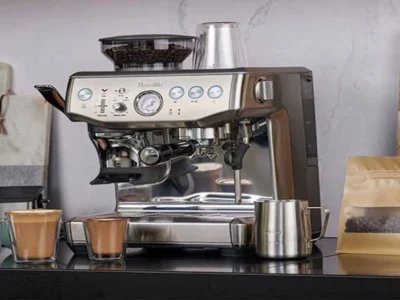
Good beans through a poor grinder produce an expensive average cup. Particle size consistency governs extraction, and worn or cheap burrs will over-extract the fines and under-extract the boulders regardless of what went into the hopper. Water matters nearly as much, and unfiltered water flattens a delicate coffee before the grinder gets a chance to. Where the equipment is the weak link, the sensible order is to fix that first.
Deciding Whether It Is Worth It
Work it out per cup rather than per kilogram, because the arithmetic changes character when you do. The difference between commodity and specialty beans is usually a matter of cents per cup, set against a machine, a technician, milk, and the time of the people drinking it. Whether that difference is noticed depends on the grinder, the water, the freshness and whether anyone cleans the equipment. Where those things are in order, specialty coffee beans are one of the cheapest quality improvements available to a business.







Comments