
 By
By 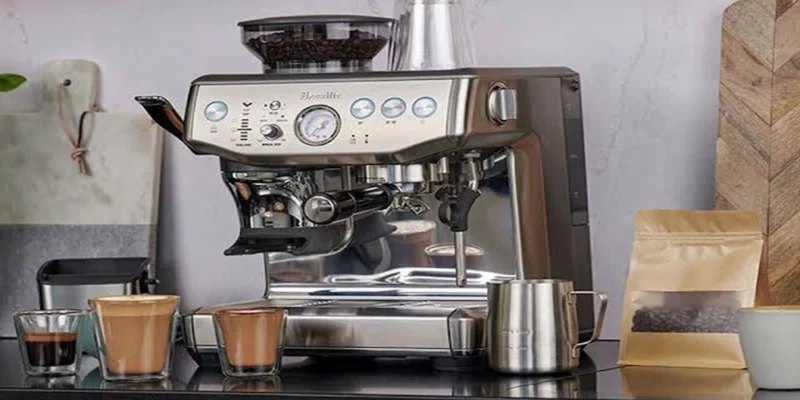
Many businesses assume that any machine capable of producing espresso qualifies as commercial-grade, then discover within a few months that it can’t keep pace with actual office demand. The distinction isn’t marketing language: commercial units are built around a duty cycle rating, meaning the number of consecutive cups they can pull without overheating or losing pressure, and that figure is what separates equipment fit for sustained daily use from a scaled-up domestic machine. Businesses shopping for a commercial coffee machine singapore buyers should start from duty cycle rather than brand or aesthetics.
What Commercial Grade Actually Means
A genuinely commercial machine uses heavier-duty pumps, larger boilers and components rated for continuous operation across an eight to ten hour working day, not intermittent home use. Manufacturers publish duty cycle figures, typically expressed as cups per hour sustained, and this number matters far more than horsepower or brand reputation when matching a machine to real office traffic. Some suppliers relabel domestic-grade units as office-suitable simply because they fit on a countertop, so it’s worth asking directly whether the internal components are rated for commercial duty rather than assuming from the exterior finish.
Duty Cycle and Why It Matters More Than Price
A machine priced attractively but rated for thirty cups an hour will struggle in an office pulling sixty during the nine o’clock rush, leading to long queues, inconsistent extraction and premature wear from being pushed past its design limits. Calculating realistic peak-hour demand before comparing prices prevents this mismatch, which is one of the most common and expensive mistakes in commercial procurement.
Water Supply: Plumbed-In vs Tank-Fed
Plumbed-in units connect directly to the building’s water line, removing the need to manually refill a tank throughout the day, which matters considerably once daily cup volume climbs past roughly eighty. Tank-fed machines are simpler to install and relocate but require someone to remember refills, and a forgotten tank mid-morning is a surprisingly common cause of office complaints about machine reliability.
Milk System Options and Maintenance Load
Automatic milk frothing systems save time but need daily cleaning cycles to prevent bacterial buildup in the milk lines, while manual steam wands demand more staff skill but are simpler to maintain. Offices with high latte or cappuccino demand should weigh cleaning discipline realistically before choosing automatic milk, since a neglected system causes more downtime than the convenience saves. A supplier that explains milk system upkeep clearly before installation prevents this from becoming an unpleasant surprise after the first month.
Footprint and Placement Constraints
Commercial units are larger than most people expect, and pantry spaces designed years before the machine was selected often can’t accommodate the required clearance for ventilation, servicing access and bean hopper refilling. Measuring the intended location, including overhead clearance and nearby power and water points, before finalising a model avoids a costly redesign of the pantry itself. It’s also worth checking door widths and lift access along the delivery route, since some larger units arrive on pallets that won’t clear a standard office doorway without partial disassembly.
Noise Levels in Open-Plan Offices
Grinders and steam wands on commercial units are noticeably louder than domestic equivalents, which matters more in open-plan layouts where the pantry sits close to workstations rather than behind a closed door. Some manufacturers now publish decibel ratings for exactly this reason, and it’s worth requesting them if the machine will sit within earshot of desks rather than in an enclosed break room.
Service Contracts and Parts Availability
A commercial machine is a long-term asset, so confirm that spare parts and qualified technicians are actually available locally rather than requiring shipment from overseas when something fails. Ask how long a typical repair takes from fault report to resolution, and whether a loaner unit is provided during longer repairs, since extended downtime on a single shared office machine affects far more people than a personal appliance failure would.
Energy Consumption and Standby Design
Commercial machines left running continuously through the working day draw meaningfully more power than most offices account for, and models with genuine energy-saving standby modes, rather than a simple screen dim, can noticeably reduce this over a full year. Ask for energy consumption figures during standby versus active brewing, since the gap between models can be larger than it first appears. Facilities teams tracking building-wide energy use for sustainability reporting increasingly ask for this figure at procurement stage rather than discovering it after installation.
Matching Capacity to Peak Demand
Average daily consumption is the wrong number to design around; peak-hour demand, typically the fifteen minutes after arrival and immediately after lunch, is what actually determines whether staff queue at the machine. Estimating this peak realistically, rather than dividing total daily cups evenly across the day, is the single most useful step before comparing machine specifications.
Making a Confident Purchase Decision
Work backwards from realistic peak-hour cup counts to a duty cycle rating, then confirm water supply, footprint and noise constraints against the intended pantry space before comparing prices between suppliers. Local parts and service availability should weigh as heavily as the headline specification sheet, since a machine that can’t be repaired quickly is not commercial-grade in any practical sense. Getting this sequence right before shopping makes choosing a commercial coffee machine singapore businesses can rely on daily considerably more straightforward.








Comments