
 By
By 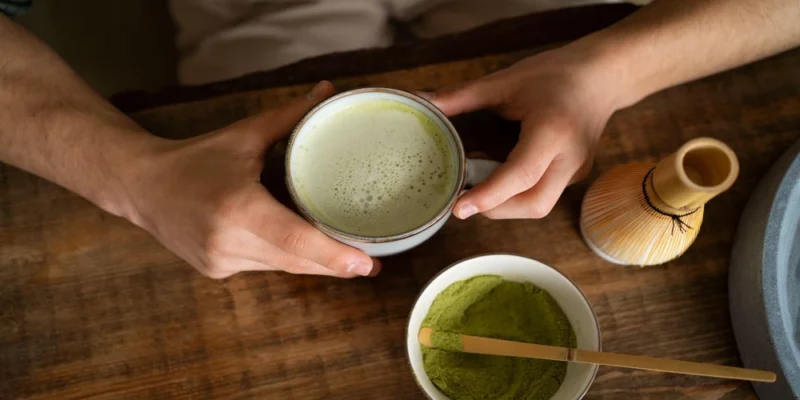
Morning routines have become increasingly elaborate, but a useful ritual does not need six supplements, specialist equipment and a 5 a.m. alarm. Sometimes it is simply about making one drink properly and giving yourself a few quiet minutes before work, commuting or training. If you are curious about matcha, starting with everyday matcha powder and a straightforward preparation method is an accessible way to explore it without turning your kitchen into a tea laboratory.
Matcha does require slightly more effort than dropping a tea bag into a mug, but that is part of its appeal. Measuring, whisking and drinking it can create a deliberate transition into the day. Once you understand the basics, the whole process can take only a few minutes.
What Exactly Is Matcha?
Matcha is a finely ground green tea powder traditionally associated with Japan. Unlike conventional brewed tea, where leaves are steeped and removed, matcha powder is whisked into water and consumed as part of the drink.
Its flavour can be difficult to describe if you have never tried it. Depending on the tea and preparation, you may notice vegetal, grassy, savoury, subtly sweet or pleasantly bitter characteristics.
Matcha naturally contains caffeine, although the precise amount varies by product and serving size. If you are sensitive to caffeine, starting with a smaller serving and avoiding it late in the day is sensible.
It is also worth approaching dramatic wellness claims cautiously. Matcha can be an enjoyable part of a balanced diet, but it does not need to be treated as a miracle drink to earn a place in your morning.
Choosing Everyday Matcha Powder for Your Routine
If your plan is to make straightforward morning matcha, iced drinks or lattes, you do not necessarily need to become an expert on tea grades immediately. Look for a product intended for the way you actually expect to drink it.
An everyday matcha powder can fit a routine where versatility and regular preparation matter. Before using any product, however, check its packaging for recommended quantities and storage guidance rather than assuming every matcha should be prepared identically.
Freshness also matters. Matcha’s flavour and colour can change after prolonged exposure to air, heat, moisture and light. Keep the container properly closed and follow the manufacturer’s storage instructions.
For beginners, buying a sensible quantity is usually better than stocking up before you know how frequently you will drink it.
You Do Not Need a Complicated Matcha Setup
Traditional matcha preparation has specialised tools, but a beginner can establish a practical home routine with relatively little equipment.
At minimum, you need a cup or bowl, something to measure the powder and a way to whisk or mix it thoroughly. A traditional bamboo whisk can be useful, but a small handheld frother may be convenient for an everyday routine.
A fine sieve is another optional tool. Sifting the powder before adding water can help break up clumps and make whisking easier.
Keep Everything Together
If you want the habit to stick, store your matcha tools in one accessible place. Hunting for a measuring spoon at 7:30 in the morning adds friction to a routine that should feel simple.
The same principle works for coffee equipment, gym gear and work essentials: reducing tiny inconveniences makes habits easier to repeat.
Learn a Basic Hot Matcha Method
Start by following the quantity recommended for your particular matcha. Place the powder in a bowl or sufficiently wide cup, sifting first if it tends to clump.
Add a small amount of hot water and whisk until the powder is well dispersed and a light foam begins to develop if your technique and equipment allow it. Then adjust with additional water according to your preferred strength.
Avoid automatically using aggressively boiling water. Very high temperatures can influence the taste of green tea, and product-specific preparation guidance should take priority.
Your first few cups may not produce café-level foam. That is fine. The practical target is a drink that is evenly mixed and enjoyable.
Turn It Into an Easy Matcha Latte
If straight matcha tastes too intense initially, a latte can provide a gentler introduction.
Prepare a concentrated matcha base with your everyday matcha powder and a small amount of water. Separately warm your preferred milk, then combine the two. Sweeten lightly if you want, but taste first; adding a large amount of sweetener can easily overwhelm the tea.
The ratio is flexible. If the drink tastes too milky, use less milk next time. If the matcha feels overpowering, adjust the concentration rather than forcing yourself to enjoy it at maximum strength.
During Indian winter mornings, a warm matcha latte can also provide the same comforting ritual people often associate with chai or coffee, while offering a distinctly different flavour.
Make an Iced Version for Warmer Indian Mornings
A steaming drink is not always appealing when temperatures rise. Fortunately, matcha adapts easily to an iced routine.
First mix the powder thoroughly with a modest amount of water. Trying to stir dry matcha directly into a glass full of cold liquid and ice can make clumping more difficult to manage.
Once smooth, pour it over ice and add cold water or milk. This can be particularly practical during hot summers or in cities where “winter” mornings remain fairly mild.
If you exercise early, you might prefer your matcha after training rather than immediately beforehand. Personal caffeine tolerance, hydration needs and how your stomach responds should guide the timing.
Build the Ritual Around Your Existing Morning
Instead of designing an entirely new 45-minute wellness schedule, make matcha after brushing your teeth, before checking work messages or alongside breakfast. If you work from home, preparing it can mark the transition from personal time to the workday.
Keep your everyday matcha powder, measuring tool and whisk together so preparation requires minimal decision-making.
You can also use the few minutes spent making it as a phone-free interval. That does not require turning breakfast into a meditation retreat. Simply avoiding notifications while preparing and drinking your first few sips can make the morning feel less rushed.
Avoid Turning Matcha Into a Sugar-Heavy Dessert
Matcha drinks can accommodate sweetness, but there is a difference between lightly sweetening a beverage and disguising the tea completely.
When starting out, add sweetener gradually. This gives you a chance to understand the underlying flavour and determine what you genuinely enjoy.
Flavoured syrups and elaborate toppings can be fun occasionally, but they are not required for a satisfying everyday drink.
The same applies to milk. Experiment with the milk you normally keep at home rather than buying several alternatives at once. Different choices can affect texture and flavour, so preference matters more than following an online formula.
Store Matcha Properly Between Uses
Because matcha is a powder, storage deserves attention. Keep it tightly sealed and protect it from unnecessary exposure to moisture, heat, air and strong light, following the instructions on the package.
Always use a clean, dry spoon. Introducing moisture into the container can affect the powder.
If you travel regularly, consider whether carrying matcha is genuinely practical. For short work trips, simplifying your routine may be easier. For longer stays, transferring only what you need into a suitable airtight container can reduce luggage, provided this aligns with the product’s storage recommendations.
Make the Routine Festive Without Making It Complicated
During Diwali and the winter festive season, morning routines can become irregular thanks to late nights, travel and heavier meals. Matcha does not need to become another rule you feel guilty about breaking.
On quiet winter mornings, make it warm and take a few minutes to enjoy it before the day’s plans begin. If friends are staying over, a small matcha station alongside coffee and chai can offer another beverage option without requiring elaborate preparation.
Know When to Adjust Your Intake
Because matcha contains caffeine, more is not automatically better. Pay attention to how you respond, particularly if you also drink coffee, tea, energy drinks or other caffeinated beverages during the day.
If you notice that caffeine interferes with sleep or makes you uncomfortable, consider reducing your serving or changing the timing. Anyone who has specific medical concerns, is pregnant, or takes medicines that could interact with dietary choices should seek appropriate professional guidance rather than relying on general lifestyle advice.









Comments