
 By
By 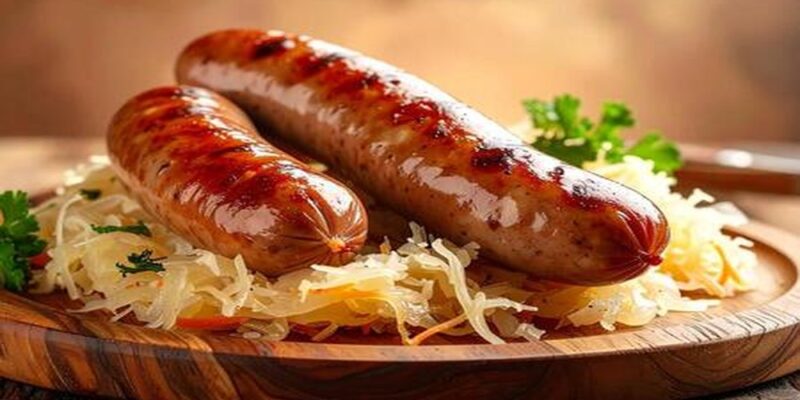
Preparation is where the sausage character gets decided. The same pork, the same spicing, the same casing treated to different heat and different methods produce outcomes with almost nothing in common at the table. Germany figured this out across centuries of regional cooking and never settled on one correct approach because different preparations solved different problems in different places.
What goes into a sausage matters. How it gets cooked afterwards matters as much. One german sausage type, eaten grilled over charcoal, and the same variety poached in water, are different enough that calling them the same food feels like an overstatement.
1. Fire grilling
Dry heat, direct contact, visible char. Grilling develops a crust that no other method produces, the casing tightening and colouring while fat renders inward rather than escaping into the surrounding liquid. Bratwurst, across its many regional variations, belongs here. Thüringer specifically demands beechwood charcoal, a requirement locals enforce with genuine conviction.
Exterior texture contrast is the whole point. Soft interior, snapping casing, smoky char underneath the spicing. Grilling produces that combination, and nothing else does.
2. Poaching
Weisswurst never touches a grill. Neither does bockwurst at its best. Poaching in water just below boiling keeps interior texture soft and consistent from edge to centre, which direct heat destroys in sausages delicate enough to fall apart under that pressure. Temperature control matters more here than anywhere else. Weisswurst served in water that ran too hot loses the texture Bavarians consider non-negotiable. Too cool, and the casing sits slack. The margin is narrow, and experienced cooks do not guess at it. Frankfurters follow similar logic, gentle heat keeping the snap in the casing without toughening the filling surrounding it.
3. Pan frying
Leberkäse does not qualify as wurst strictly speaking, but occupies the same cultural space and arrives in a pan rather than on a grill. Brühwurst varieties, including frankfurters, hit a pan with butter for a different result than poaching delivers. The fat contact produces colour on the flat surfaces without the all-around char that grilling creates.
Pan frying suits a weekday kitchen better than a grill does. Less setup, less smoke, faster turnaround. The result is distinct from both grilling and poaching without being inferior to either.
4. Cold smoking
Smoking is not finished. It is a transformation over time. Cold-smoked Franconian varieties spend days absorbing smoke at temperatures low enough that cooking never occurs. The result slices thin, eats cold, and keeps longer than any fresh variety.
Flavour depth in cold-smoked sausage builds through the entire cross-section rather than sitting on the surface. Eating a cold-smoked variety alongside something acidic reveals layers that heat-prepared sausages never develop, regardless of preparation quality.
5. Curing and air drying
Mettwurst, in its harder northern form and certain regional salami-style varieties, skips heat entirely. Salt, time, controlled airflow. The curing process concentrates flavour while moisture leaves the casing gradually over weeks.
Texture runs firm and dense. Flavour runs sharp and complex. Neither quality arrives through cooking. Both arrive through patience and the right conditions in the right environment over enough time for the process to complete properly.
Preparation style shapes the eating experience more than any single ingredient decision. Germany’s sausage range exists partly because the country never limited itself to one method and never saw a reason to stop.









Comments