
 By
By 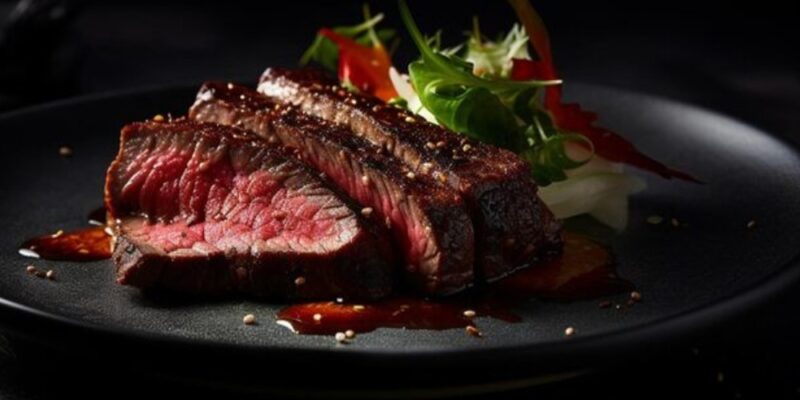
There’s a pure pleasure in a delicious steak. It is hot, delicious, and a bit smokey. But if you’ve had a taste of steak prepared using Japanese technique, you’ll notice something distinct. The crust is thin, but more uniform. The center is smoother. Flavors are layered instead of shouting at all at. At FORTU we appreciate this balance. It’s respectful of the meat while also being generous on the tongue. Let’s take a moment to think about the reasons why these techniques work and find out what’s taking place on the plate.
It begins with a exact searing
I used to think that searing was simply “high temperature, quick.” It’s more thoughtful than it sounds. Japanese kitchens view heat as the seasoning. Pan materials, oil selection and timing also matter.
- Make sure to heat the surface slowly so that the temperature remains stable and not increasing or decreasing.
- Utilize a neutral, high-smoke point oil coated in a thin layer. The goal is contacts, but not long fry.
- Place the steak on the table and resist the temptation to move the steak. The Maillard reaction create into an evenly browned crust.
- Turn once, maybe twice, but with intent. It’s fine to chase color but not at the cost of moisture.
It’s a clear and uniform exterior that guards the inside. It is a beefy taste, followed by subtle caramel notes, but not burning bitterness. It sounds a bit tense. It’s really just a matter of being careful.
A respect for texture, not only doneness
Western kitchens typically focus on temperature. Japanese technique also focuses on feel. The focus is on the way that muscle fibers relax, the manner fat is softened, and which grain is able to resist cutting.
- The idea of resting should not be a secondary thought. It’s an essential part of the cooking process. Warm rest helps juices distribute to ensure that the cut first doesn’t splatter the entire plate.
- The gentle finishing heat will bring the center to the goal without hammering on the outside. Imagine it as a slow cruise to a stop, but without slamming the brakes.
- The thickness determines the the method. A thin cut may be cooked completely over the heated surface. A larger cut will benefit from a two-step process Sear first, and then low, steady temperature to the middle.
Texture can be the promise. Soft but not mushy. Juicy, but not wet. You can feel the love even before tasting it.
Work with knives that alters the taste
The quality of the knives is important But the work of the knife is more. Japanese knife techniques treat cutting like an initial bite. Pressure, angle and grain direction define the experience of eating.
- Cut the grain across so that each piece is able to yield easily.
- Make use of a smooth, long pull, not the saw or press. The fibers are being cut and not crushing them.
- Sharpen edges so that the cut surfaces remain clean and fresh, allowing juices to stay in the steak, and away from the board.
Surprisingly enough, clean cuts make steaks taste more delicious. There’s less tissue that leaks metallic juices. Each bite is a conscious choice that quietly elevates the entire meal.
Umami is the silent amplifier.
Salt is, if you will. then umami is the dial for richness. Japanese kitchens are masters at it. It’s not through drowning in the meat in sauce, instead, by squeezing umami inside the steak’s edges.
- Kombu, shiitake, and bonito can be used to season sauces and finishing salts that rub against the steak following sear.
- A small amount of miso butter can add depth without hiding the meat.
- A splash of soy sauce in the jus that is resting can enhance the flavor of the meat and make the steak taste more similar to the original.
The aim is not for the meat to taste as store ingredients. The objective is to boost the amount of flavors “shades” you taste within every bite.
Tare and glaze, if to make use of these products, and when to use
Tare is a sauce that has a flavorful base. Consider it a food item that improves as it is properly maintained. When used properly, it provides the steak a glossy appearance and a flavorful echo.
- Reduce tare until it is the consistency of syrup before it comes in contact with the meat. Thin sauces steam. Lacquer-like thick sauces.
- Lightly brush your hair during the last seconds of searing, or just after taking a break. Too soon and sugars could burn.
- Be sure to keep a healthy the balance. A well-balanced tare will have sweetness acidity, salt and umami. If someone shouts that the steak is gone, it disappears.
If it is done properly If done correctly, a glaze can add an incredibly thin, shiny coating that snaffles under your bite and then melts. It’s a brief moment. It’s also a memorable experience.
Controlling heat, but quietly
Chefs speak about heat in a manner that’s almost like music. High temperatures create the sound of. Medium heat carries melody. The resting pause allows the notes to make sense.
- Use zones. One hot surface to sear. One warm area or oven to cook the steak until it is at the desired temperature.
- Control moisture. Dry the steak so that the crust doesn’t steam.
- Measure less, observe more. The smell, the smoke and the way fat turns will tell you what the thermometer is confirming.
If it seems like it’s an instinct, then it’s actually pattern recognition. After some time, you’ll detect a clear sear.
Aiming to be a good host
Salt is the main event. Pepper is featured on the show. Everything else is the role of support.
- Salt is more readily available than you imagine particularly for larger cuts. It disintegrates, penetrates and spruces up the inside.
- Pepper later or after sear to ensure it doesn’t get burned. The smell of burned pepper is dusty and strangely bitter.
- Salts that finish the meal add the texture. A handful of crystals near the end provide a subtle crunch that helps each bite appear brighter.
The beef should be noticed first. The seasoning will help you see it better.
Smaller techniques that make a difference
Just a few tiny movements alter the overall experience, but they don’t draw attention to them.
- A little fat while cooking assists in browning even more and helps transfer aromas such as ginger or garlic.
- A quick lick of binchotan or charcoal in the aftermath of a pan-sears adds smoke, but without drying the meat.
- The board is then brushed with miso or tare butter, then slicing it in a thin layer coats each piece once it has landed.
None of these are required. These are just options. For example, choosing the right word to use in an expression.
Simple wins.
I remember the times when the best option was to leave the steak to itself. Excellent beef, dry surface, salt that is right and hot pan. Patient flip, and a careful rest. No glaze. No drama. It’s just a steak that tastes just like meat and flame. Japanese method is not the same as a checklist. It’s a way of thinking that asks: Does this technique enhance the bite or is it just more attractive. The truthful answer is higher quality food.
Quick bullet guide
- Heat the pan until it is consistent and not scream.
- Thin oil film with a high smoke point and very little movement.
- Create an evenly sized crust. Flip it carefully.
- Relax warmly and protect your juices.
- Cut across the grain using the sharpness of a knife.
- Layer umami using control.
- Make use of tare whenever it can help and not just because you could.
- Control heat by dividing it into zones.
- Salt early, pepper late.
- Do not be too fussy unless the meat demands more.
FAQs
Are Japanese technique only used for premium cuts or wagyu?
No. It is beneficial to any steak. The preciseness brings out the character in the lean cuts, and helps keep the meat from being heavy.
Do I require special equipment?
A sturdy pan and a sharp knife and perseverance can go a long way. The salamander, or charcoal, adds options, but are not essential.
Should I marinate the meat before cooking it?
Most of the time, there is no. If you’re looking for more umami, add the addition of a tiny amount of miso butter or tare instead of soaking the meat and removing the beef’s original flavor.
What is the ideal degree of doneness for this type of style?
Medium-rare is a common choice because it has a balance between softness and juiciness. However, it is up to you what you prefer. The method can be adapted.
How can keep a crust from becoming soggy while glazing?
Lower the amount of glaze so that it adheres to a spoon. Then brush lightly towards the end or after the other. Insufficient or soon creates steam, not shine.
Why do I need to rest if I’m going to cut right now?
Relaxation allows the heat to be evened out and the juices cool. You’ll get crisp slices and a cut that remains tender until the end of the meal and not only the first.
For FORTU we cook our steak in this way. Calm technique. The best seasoning. Some umami at the right time. If you have a single idea, it should be this: a great steaks are not always complicated. It’s meticulous. It is a quality that you can taste.
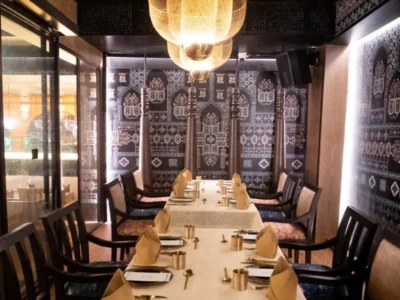
This post was written by a professional at Fortu. Fortu stands out among the top Restaurants St Petersburg FL, offering an elevated Pan-Asian dining experience in the heart of St. Petersburg, Florida. Celebrating Asia’s vibrant and diverse culture, Fortu introduces bright and bold flavors to a bright and bold city with a menu of locally and sustainably sourced options, from small bites to hearty delicacies. Whether winding down from a beach day or celebrating a special occasion, guests can enjoy a lush, alluring atmosphere and an authentic taste of Asia’s divine cuisine at one of the finest Best Restaurants Downtown St Petersburg.






Comments